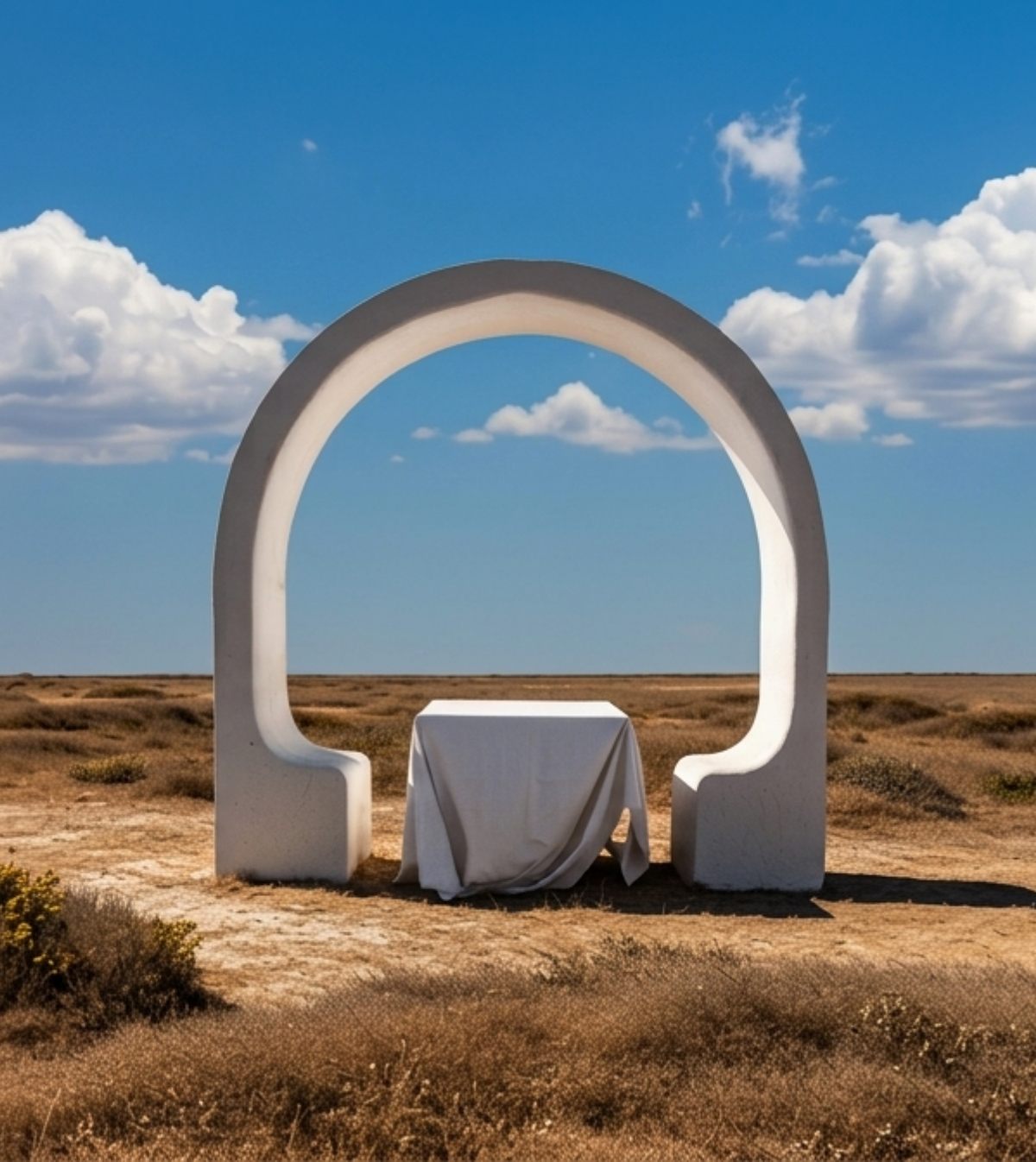
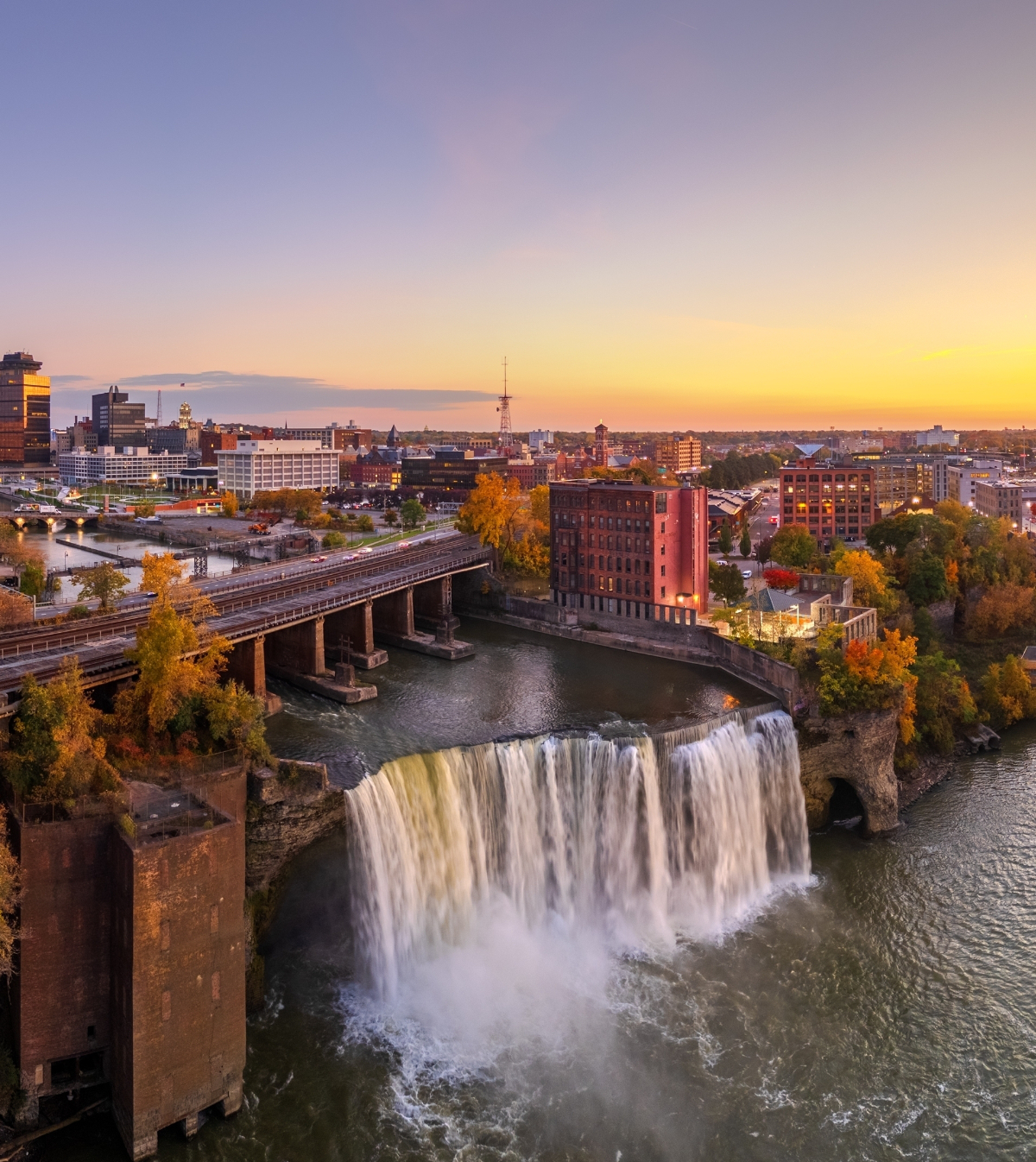
We’d like to take the opportunity to introduce you to the Honorable mention winner of our Re:Form - New Life for Old Spaces #2 competition – Sara El Moussaoui from France!
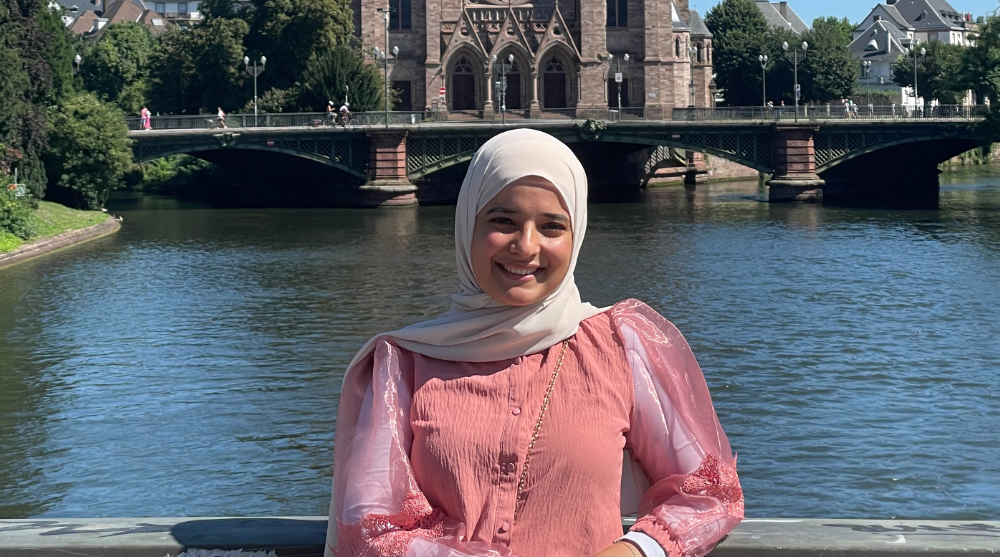
Sara El Moussaoui
Please tell us about your company (when it was founded, where it is based, how many employees, etc) Alternatively, if you do not have a company, please give us some insights on your own professional/academia background.
I am an architect and urban planner currently based in France, working within an engineering and design office involved in residential and mixed-use developments. I hold a State Diploma in Architecture (EPAU, Algiers) and a Master’s degree in Urban Planning and Territorial Intelligence from the University of Lorraine. My professional experience covers the full project lifecycle, from early-stage concept design and feasibility studies to detailed design coordination and construction follow-up. I am particularly involved in large-scale residential projects, where I contribute to architectural design, BIM modeling, and the development of coherent urban strategies. Alongside my professional practice, I am pursuing advanced research focused on the integration of ambient vibration analysis and finite element modeling for the study of historic masonry structures. This academic work strengthens my analytical approach to architecture, combining design sensitivity with technical rigor. My work sits at the intersection of architecture, urban thinking, and digital design, with a strong interest in developing meaningful, context-driven projects that balance technical performance, spatial quality, and user experience.
Brief information about the projects that you/your company have been involved with. For instance, what scale have you focused on/preferred, any significant projects where the company/ individuals have been Involved?
My experience has primarily focused on residential and mixed-use developments, ranging from small-scale housing schemes to large urban operations. I have been involved in projects varying from individual housing units and small collectives (10–30 units) to more complex developments exceeding 100 residential units.
What does architecture mean to you and what is the role of an architect in your society?
For me, architecture is an act of responsibility before it is an act of creation. It is not simply about producing objects, but about shaping conditions for life, how people meet, move, feel, and remember. Architecture operates at the intersection of space, time, and society. It frames everyday experiences while carrying traces of history and projecting possibilities for the future.
Why do you participate in architecture competitions?
In professional practice, architecture is often shaped by multiple constraints such as budget limitations, regulatory frameworks, and the expectations of clients and local authorities. These parameters are essential, but they can sometimes restrict the exploration of more experimental or unconventional ideas. Participating in architecture competitions, especially ideas competitions, offers a different space. It allows me to step outside these constraints and explore architecture as a field of research and speculation. It is an opportunity to test new approaches, challenge assumptions, and push my creativity further than what is usually possible in everyday practice. Competitions also allow me to position myself critically—towards the city, towards current building practices, and towards the role of architecture itself. They become a platform to propose alternative visions, question existing models, and imagine more ambitious or sensitive responses to contemporary challenges.
What advice would you give to individuals who struggle to decide whether it would be beneficial for them to participate in architecture competitions?
I would say that participating in architecture competitions is less about being “ready” and more about being willing. Many people hesitate because they feel they lack experience, time, or legitimacy. But competitions are precisely a space where you are allowed to explore, to test ideas, and even to fail without consequence. You don’t need to have all the answers what matters is having a point of view.
Top 3 Reasons Why You Should Enter Architecture Competitions
Curious about the value of architecture competitions? Discover the transformative power they can have on your career - from igniting creativity and turning designs into reality, to gaining international recognition.
Learn more