We’d like to take the opportunity to introduce a participant of the MICROHOME #10 competition – Chrysoula Kechagia Fragkala from the Greece!
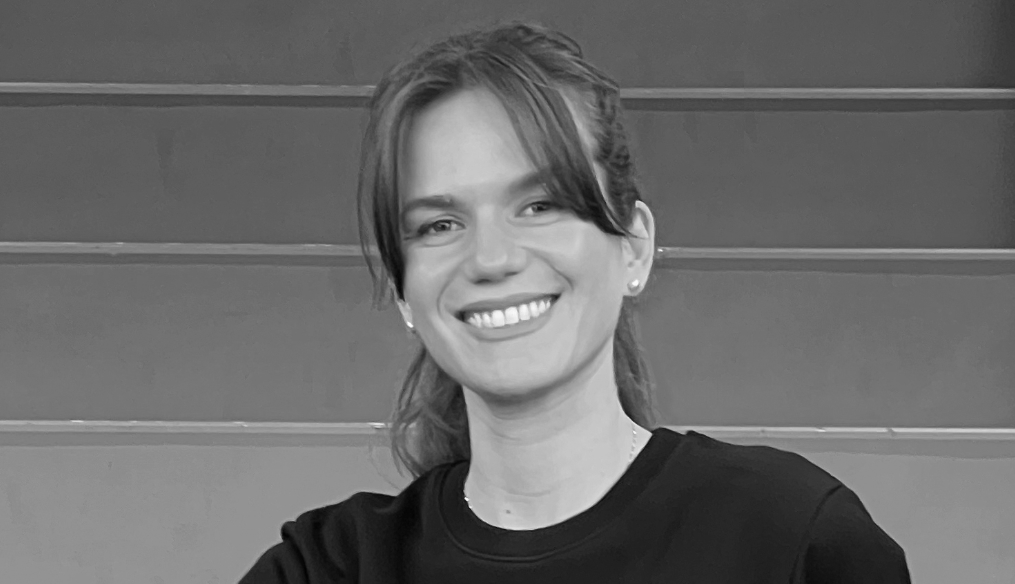
Chrysoula Kechagia Fragkala
Please tell us about your company (when it was founded, where it is based, how many employees, etc) Alternatively, if you do not have a company, please give us some insights on your own professional/academia background.
I work as an independent architectural practitioner based in Thessaloniki, operating under CKF Architecture since 2020. My practice focuses on residential design, modular systems, and the relationship between architecture, psychology, and human well-being. I hold an MArchD from Oxford Brookes University, where my research centred on urban happiness and the emotional impact of spatial form. Alongside practice, I continue to expand my knowledge through courses and conferences on sustainable technologies, modular construction, and behavioural design. I also teach interior architecture at AAS College, strengthening my connection to academia and emerging designers. Across all my work — from built projects to speculative research — I pursue architecture as a means to reconnect people with place, climate, and community.
Brief information about the projects that you/your company have been involved with. For instance, what scale have you focused on/preferred, any significant projects where the company/ individuals have been Involved?
My work spans residential, interior, and small-scale architectural projects, with a consistent focus on human experience, material clarity, and spatial psychology. As an independent practitioner, I have been involved in multiple apartment renovations, spatial reorganisations, and interior architecture projects in Thessaloniki, often transforming compact urban dwellings into calm, efficient living environments. I contributed to larger-scale work during my involvement in the Mira Mare Domes Resort in Corfu, where I supported the construction-drawing phase and cost-efficient detailing strategies. This experience strengthened my ability to bridge concept and buildability, especially within complex hospitality projects. In recent years, I have expanded into research-driven design, exploring modular housing systems, environmental strategies, and the social dimensions of architecture — themes present in my Microhome 10 proposal. I regularly integrate insights from psychology and behavioural studies into my design approach, aiming to create spaces that support well-being and emotional balance. Across all scales — from intimate interiors to conceptual housing frameworks — my work is guided by a desire to create architecture that is thoughtful, precise, and deeply attuned to the lives it holds.
What does architecture mean to you and what is the role of an architect in your society?
Architecture, to me, is the quiet framework through which people understand themselves and the world around them. It shapes behaviour, emotion, memory, and belonging long before we become conscious of its influence. My work is grounded in the belief that architecture is not only a technical discipline but a psychological environment — a place where form, light, material, and proportion can genuinely support human well-being. The role of the architect, especially in today’s fragmented social landscape, is to act as both translator and caretaker: translating human needs into spatial systems, and caring for the emotional, environmental, and cultural conditions that allow communities to thrive. In my practice, I approach each project through a human-centred lens, asking how space can heal, calm, empower, or reconnect. This perspective is deeply informed by my parallel studies in psychology, which continue to shape how I design and how I understand the lived experience of architecture. In my society — where housing insecurity, urban density, and disconnection from nature are pressing realities — the architect carries the responsibility to propose new patterns of living, not just new buildings. Architecture becomes a form of guidance: creating environments that restore dignity, foster community, and offer a sense of home in the fullest emotional sense of the word.
Why do you participate in architecture competitions?
I participate in architecture competitions because they offer a space of creative freedom rarely available in everyday practice. Much of professional work is shaped by paperwork, regulations, budget limitations, and the unpredictable realities of construction. Competitions allow me to step outside those constraints and explore ideas with clarity — to test new typologies, new technologies, and new ways of living that would be difficult to pursue within the restrictions of typical client work. Competitions also provide visibility and discourse. They create platforms where emerging architects can share concepts, gain feedback, and engage with a global community of designers. For an independent practitioner, this exposure is invaluable. It expands both professional reach and intellectual growth. And, of course, the financial reward matters. Prize funds support research, experimentation, and the ability to dedicate time to projects that advance the discipline rather than simply respond to immediate commercial demands. Ultimately, I participate because competitions reconnect me with the core of why I became an architect: to imagine, to question, and to propose new forms of life that respond to the emotional and ecological needs of our time.
What advice would you give to individuals who struggle to decide whether it would be beneficial for them to participate in architecture competitions?
I would tell them that even if winning feels distant and the time investment seems risky, architecture competitions offer something far more enduring than the outcome. They give you the chance to produce a project that is entirely your own — unfiltered by client restrictions, budgets, or bureaucracy. Regardless of results, you walk away with a strong portfolio piece, a deeper understanding of your design voice, and the creative momentum that comes from working freely. Competitions sharpen thinking, expand imagination, and remind you why you chose this profession in the first place. The process itself becomes valuable: a rare opportunity to explore new ideas, challenge your assumptions, and grow as a designer. So even if the prize seems far away, the creative rush, the learning, and the sense of authorship you gain are already a form of reward. And with each competition, you build a body of work — and a confidence — that follows you far beyond the submission deadline.
Top 3 Reasons Why You Should Enter Architecture Competitions
Curious about the value of architecture competitions? Discover the transformative power they can have on your career - from igniting creativity and turning designs into reality, to gaining international recognition.
Learn more