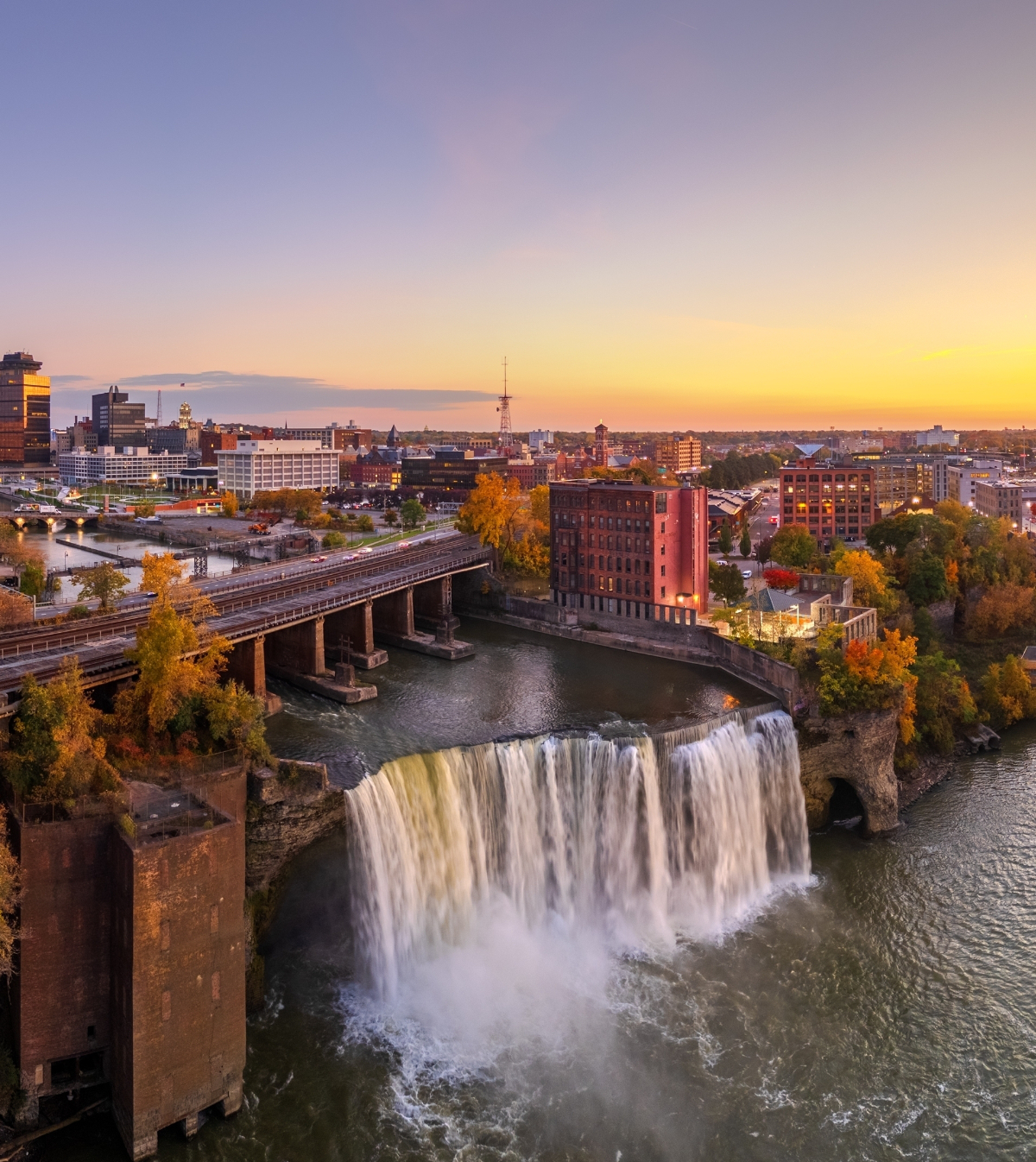
We’d like to take the opportunity to introduce you to the participant of our Buildner's Unbuilt Award 2025 competition – Xinyi Wang from Australia!
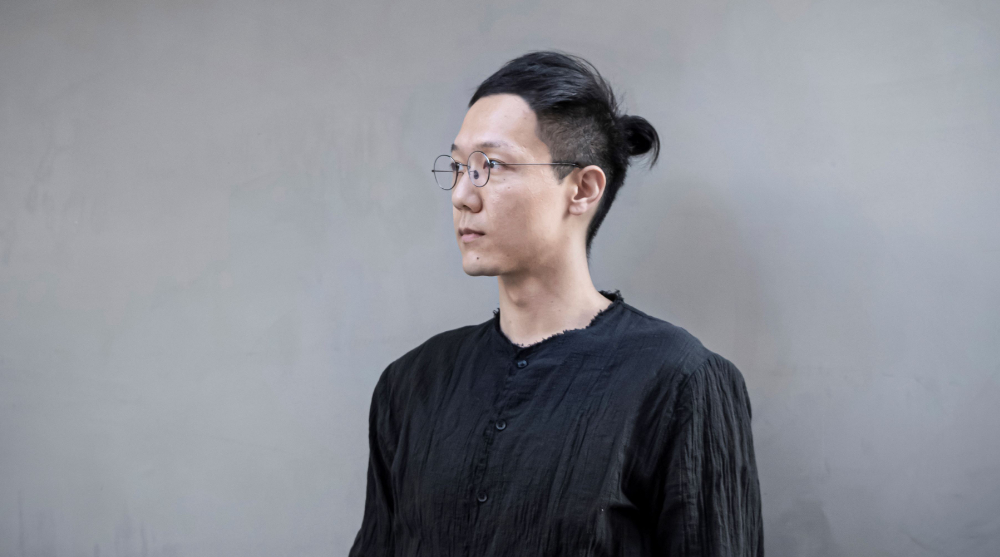
Xinyi Wang
Please tell us about your company (when it was founded, where it is based, how many employees, etc) Alternatively, if you do not have a company, please give us some insights on your own professional/academia background.
XYTOPIA is a micro, research-led practice founded by me, Xinyi Wang, an Australian registered architect and artist based in Sydney, operating internationally through project-specific collaborations. XYTOPIA began as a way to externalise the questions I kept meeting in practice — the unknowns that sit inside briefs, sites, communities, climate, budgets, and time — and to turn them into a shared design process. The name reflects that philosophy: X stands for what we don’t yet know, and Y stands for the reasons we seek. I work as the principal designer and lead author, and I build teams project-by-project depending on what the work asks for (engineers, fabricators, lighting specialists, landscape designers, curators, and local collaborators). This keeps the practice lightweight, adaptable, and grounded in each place. XYTOPIA is not bound by medium, but by meaning. The practice moves across projects of different kinds, forms, and scales — from built proposals to public works, from spatial installations to objects — guided by the same intention: to shape experiences that feel necessary, generous, and memorable.
Brief information about the projects that you/your company have been involved with. For instance, what scale have you focused on/preferred, any significant projects where the company/ individuals have been Involved?
My work moves across scales — from public realm interventions and light installations, to pavilions, to architectural proposals and adaptive reuse concepts, and occasionally down to objects and detail-driven prototypes. I don’t treat scale as a hierarchy; I treat it as a question of impact and experience. Some projects require intimacy, others require civic presence. A consistent thread is working between disciplines: architecture, public art, light, narrative, and emerging digital tools. I’ve been involved in projects and proposals delivered through competitions, commissions, and collaborations across Australia and internationally. My roles typically include concept authorship, design development, visual communication, stakeholder alignment, and coordinating specialist input from engineers and fabricators. Across these projects, I’ve learned to value two things equally: poetic clarity (why the work matters) and practical responsibility (how it can be delivered safely, sustainably, and within constraints).
What does architecture mean to you and what is the role of an architect in your society?
To me, architecture is a way of making meaning and emotion tangible — not only through form, but through lived experience. At its best, architecture becomes a memory, a threshold, a quiet shift in how you feel inside a place — even a fresh breath of air in the middle of daily life. It is an ongoing translation between inner life and external conditions: culture, climate, materials, economics, time, and the stories a site already carries. In society, I believe the role of the architect is evolving. Rather than acting as a singular “dictator” of vision — a model some well-known architects of the past (and even today) are associated with — I embrace an approach that is more open, collaborative, and accountable. Architects can frame better questions, listen carefully, invite expertise and community knowledge into the process, and guide complexity toward clarity. Our value is not only in shaping outcomes, but in shaping trust, dialogue, and responsibility in how those outcomes come to life.
Why do you participate in architecture competitions?
I participate in competitions because they allow me to begin from X (the unknown) — the part of a brief or place that isn’t resolved yet — and to explore what architecture could become when it refuses default answers. Competitions are also where Y (the why) becomes explicit: they push you to clarify your intentions, values, and reasons, not just your form-making. That is why XYTOPIA does competitions: to move consciously from X to Y — from uncertainty to meaning. Even when a proposal remains unbuilt, the process can still contribute something real: a reframed question, a new narrative for a site, a tested strategy, or a provocation that helps others see alternatives. Competitions suit my practice because they reward conceptual clarity, strong communication, and the ability to collaborate across disciplines under real constraints.
What advice would you give to individuals who struggle to decide whether it would be beneficial for them to participate in architecture competitions?
Only do competitions if you can answer one question honestly: What do I want to learn from this? If the only goal is to win, it can become exhausting and discouraging. But if the goal is to develop a voice, build skills, test methods, and meet collaborators, then even an unawarded entry can be valuable. Start small, choose briefs that genuinely resonate with you, and set boundaries: a clear timeframe, a realistic level of finish, and a defined scope. Treat each entry as a focused experiment — one strong idea, communicated clearly. If possible, work with one trusted collaborator; it makes the process lighter and the outcome stronger. Over time, competitions can become a personal archive of growth: not just projects, but evidence of how your thinking evolves.
Top 3 Reasons Why You Should Enter Architecture Competitions
Curious about the value of architecture competitions? Discover the transformative power they can have on your career - from igniting creativity and turning designs into reality, to gaining international recognition.
Learn more