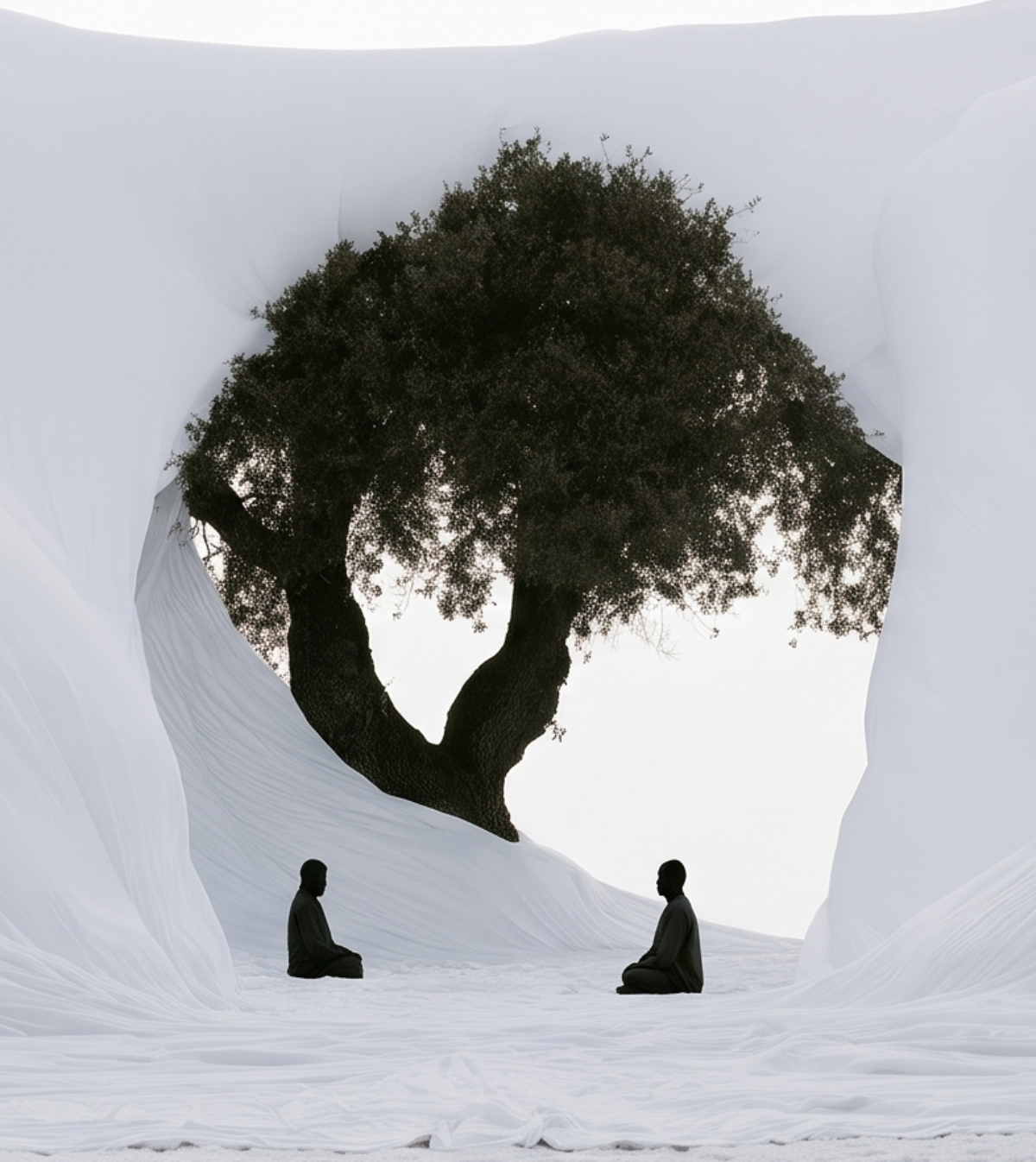
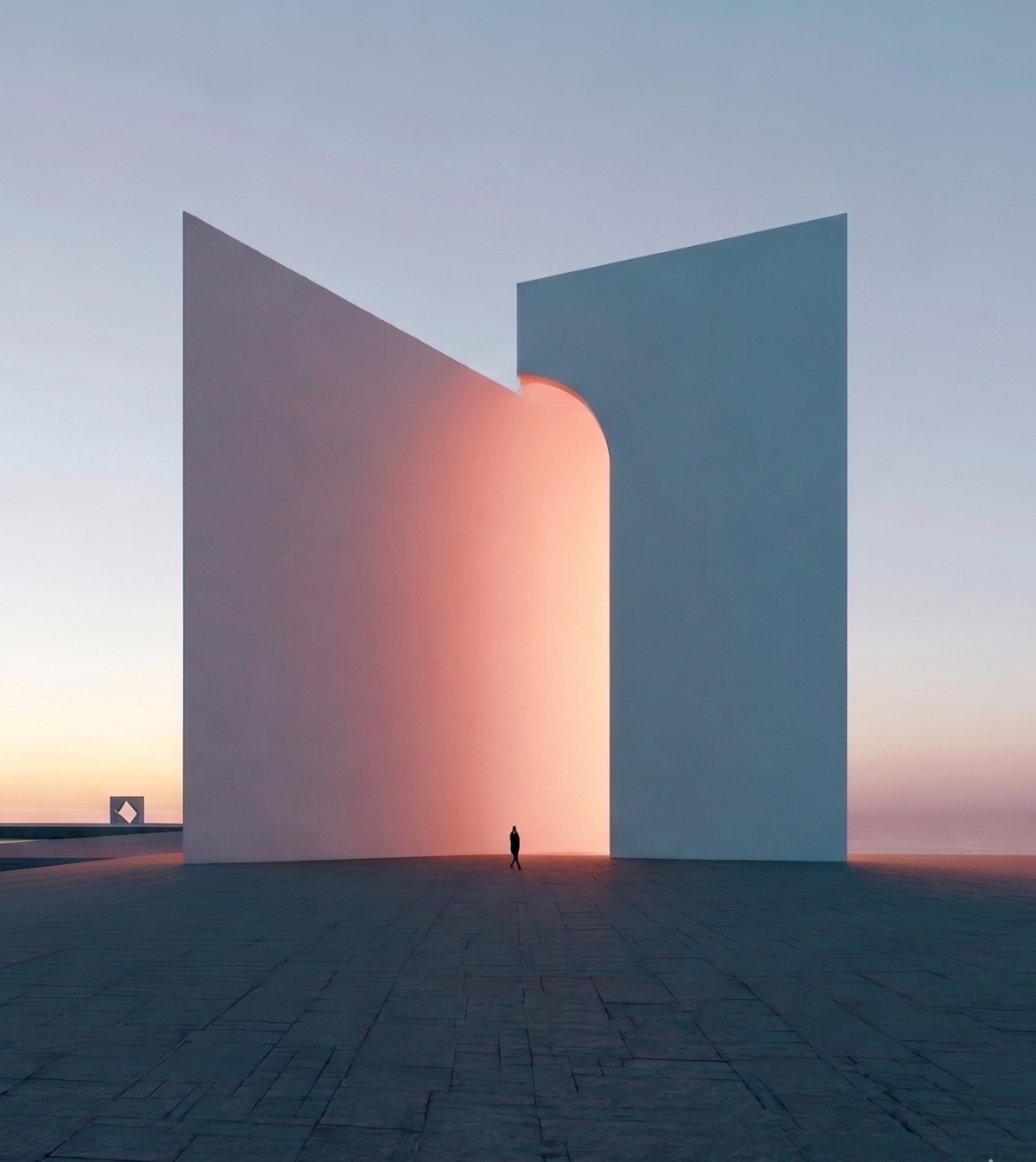
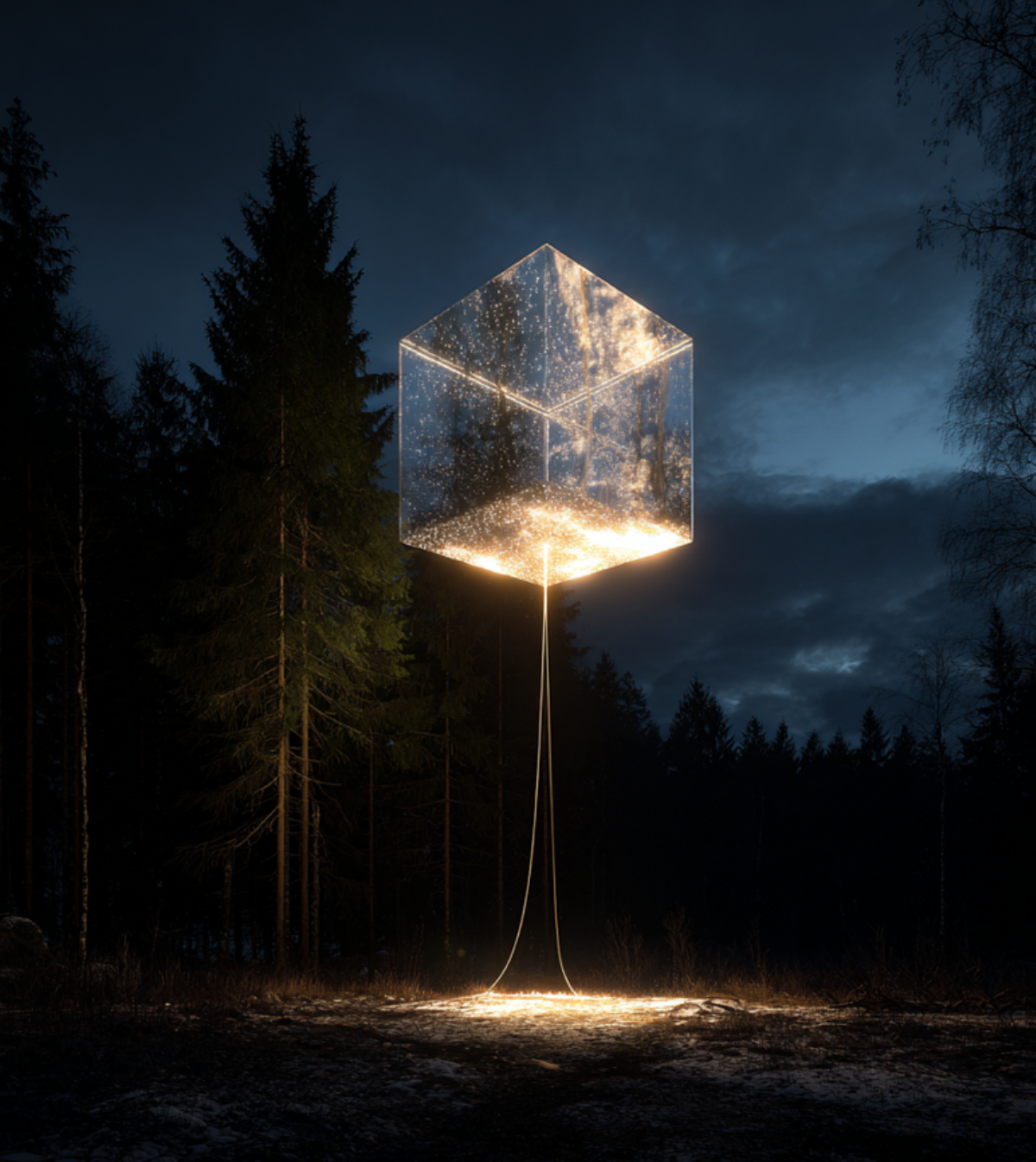
We’d like to take the opportunity to introduce the Honorable Mention winner of Buildner's Unbuilt Award 2025 competition – Pauline Claudia Fanny Dupart from France!
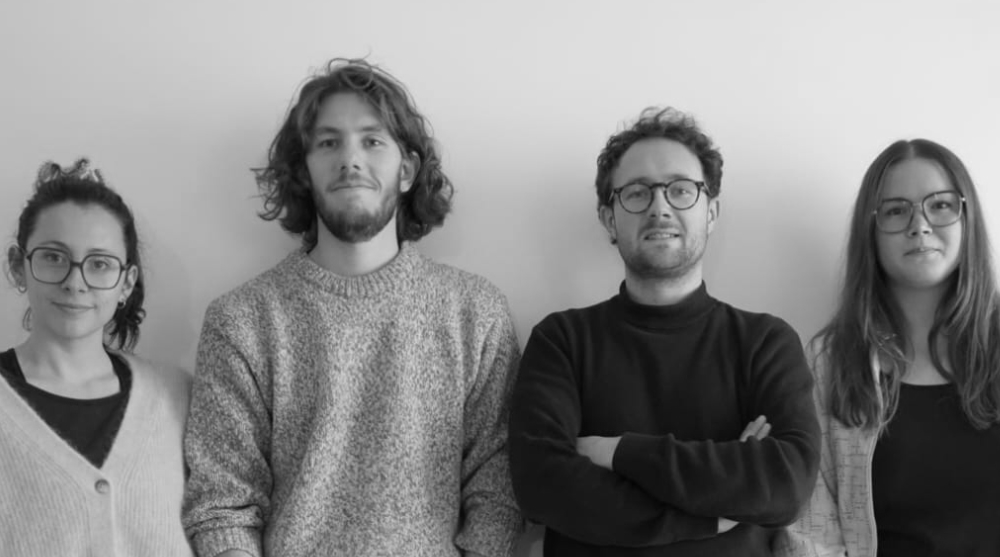
Pauline Claudia Fanny Dupart with Team
Please tell us about your company (when it was founded, where it is based, how many employees, etc) Alternatively, if you do not have a company, please give us some insights on your own professional/academia background.
Association and Cross-Disciplinary Approach
- For this project, Grenue Architecture partnered with Nolwenn Keromnes, an architect specializing in strategic design. A former classmate of the partners Romain Bourdin, Pauline Dupart, and Emmanuel Melin, she shares with them a strong interest in reflections on rural territorie ; their uses, transformations, and levers for development. This collaboration enriches the project through a cross-disciplinary approach, bringing together architecture, territorial strategy, and uses.
Agency Presentation
- Grenue is an architecture studio founded in 2023 by three HMONP architects : Romain Bourdin, Pauline Dupart, and Emmanuel Melin. They chose to combine their skills and develop shared ambitions. Their diverse experience enables them to confidently address projects involving rehabilitation, public facilities, and housing, across both private and public sectors. Based in Rennes, in Brittany, Grenue operates across urban and rural territories, from the Mayenne bocage to the Breton coastline.
An Identity Rooted in Material and Territory
- Grenue draws its name and impetus from the founders’ shared interest in architecture and the close relationship the discipline maintains with materiality.
Grenue (adj.) ; from the root grain.
Mineral / geology. Refers to a rock with a granular structure, particularly igneous rocks cooled at depth, whose crystals are visible to the naked eye.
Granite, a plutonic rock widespread across Brittany and neighboring regions, is thus described as a grenue rock.
This definition underpins the agency’s identity: a clear, grounded architecture, attentive to local materials, textures, and processes of transformation.
Background and Fields of Practice
- Founded in 2023, Grenue Architecture emerged from the desire of its three partners to combine their expertise and pursue shared ambitions. Their varied experience allows them to approach rehabilitation projects, public facilities and housing with confidence, in both public and private contexts.
Based in Rennes, the agency now operates across urban and rural territories, from the Mayenne bocage to the Breton coastline, with constant attention to context, uses, and the existing built fabric.
Brief information about the projects that you/your company have been involved with. For instance, what scale have you focused on/preferred, any significant projects where the company/ individuals have been Involved?
We enjoy working across a wide range of project scales. At the urban scale, we have taken part in several Europan competitions alongside Nolwenn Keromnes, addressing complex territorial, urban, and programmatic issues. At a more intimate scale, we also develop furniture and interior design projects that highlight reuse and local know-how, such as the Café Enez project in Douarnenez, Brittany. More broadly, our practice is rooted in public commissions, which align with our desire to work across multiple scales, from small third places to educational facilities. Finally, we have a strong interest in rehabilitation projects, which we consider a key challenge and a forward-looking path for contemporary architecture.
What does architecture mean to you and what is the role of an architect in your society?
For us, architecture is far more than the creation of spaces or buildings : it is a cultural, social, and environmental act. In today’s global context, it can no longer be limited to responding solely to functional or aesthetic needs ; it must confront the major challenges of our time.
Today, architects have a responsibility to innovate and to propose responses to the challenges facing our societies by imagining solutions capable of mitigating or transforming them. This includes:
• social issues, such as combating isolation, addressing the needs of vulnerable populations, and creating inclusive spaces that foster connection and solidarity;
• environmental issues, including rising sea levels, adaptation to climate change, resource scarcity, and the evolution of food production systems;
• economic and territorial issues, particularly through circular economy approaches, urban density, renaturalization, and the revitalization of neglected spaces.
Architecture must actively advocate for these causes. It must defend a more resilient future, experiment with new materials, encourage reuse, explore low-impact construction methods, and rethink our relationship with the living world. Ultimately, the role of the architect today is twofold: both designer and mediator, between human needs and ecological realities, between tradition and innovation, and between present constraints and long-term vision. Architecture must engage, question, inspire, and deliver concrete and responsible solutions in service of the community.
Why do you participate in architecture competitions?
We take part in architectural competitions for several reasons. First, they allow us to engage with contemporary challenges and address themes closely connected to current issues. Competitions also provide a valuable experimental framework for exploring different project scales, ranging from territorial approaches—such as those developed through Europan—to micro-architecture. Finally, they offer an opportunity to question and renew our ways of designing architecture by exploring new approaches and integrating a strategic, committed, and responsible vision.
What advice would you give to individuals who struggle to decide whether it would be beneficial for them to participate in architecture competitions?
In any competition there are about 200 to 300 participants, and everyone are trying to win. Naturally, your project will not be the only one well thought. But the way you presented it can tip the scales. Graphic design is very important to win a competition, the graphism allows you to best communicate your ideas. What we have learned is that the board must be a clever mix of graphic, technical, shcematic, explanatory documents… from the broadest to the most detailed. Time management is essential for the success of a project. Don’t hesitate to make a schedule at the beginning of the competition in order to set goals and stay motivated! Finally, we spent time asking ourselves questions of materiality according to the budget. Because finally, to built the project, you have to get into the budget. Take the time to find the materials that will be in harmony with your concept, your personal convictions, and the finances.
Top 3 Reasons Why You Should Enter Architecture Competitions
Curious about the value of architecture competitions? Discover the transformative power they can have on your career - from igniting creativity and turning designs into reality, to gaining international recognition.
Learn more